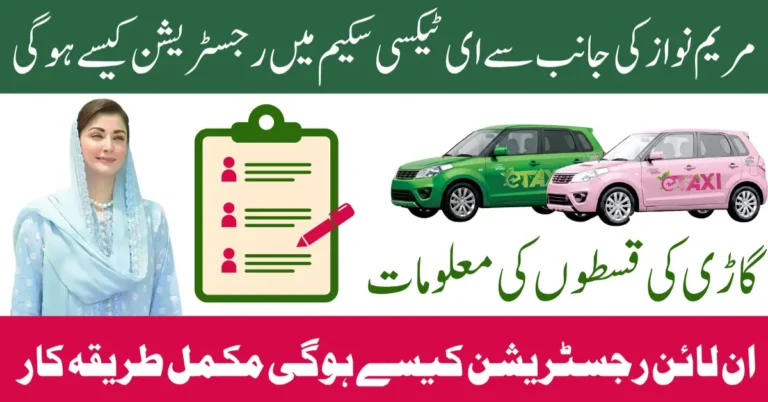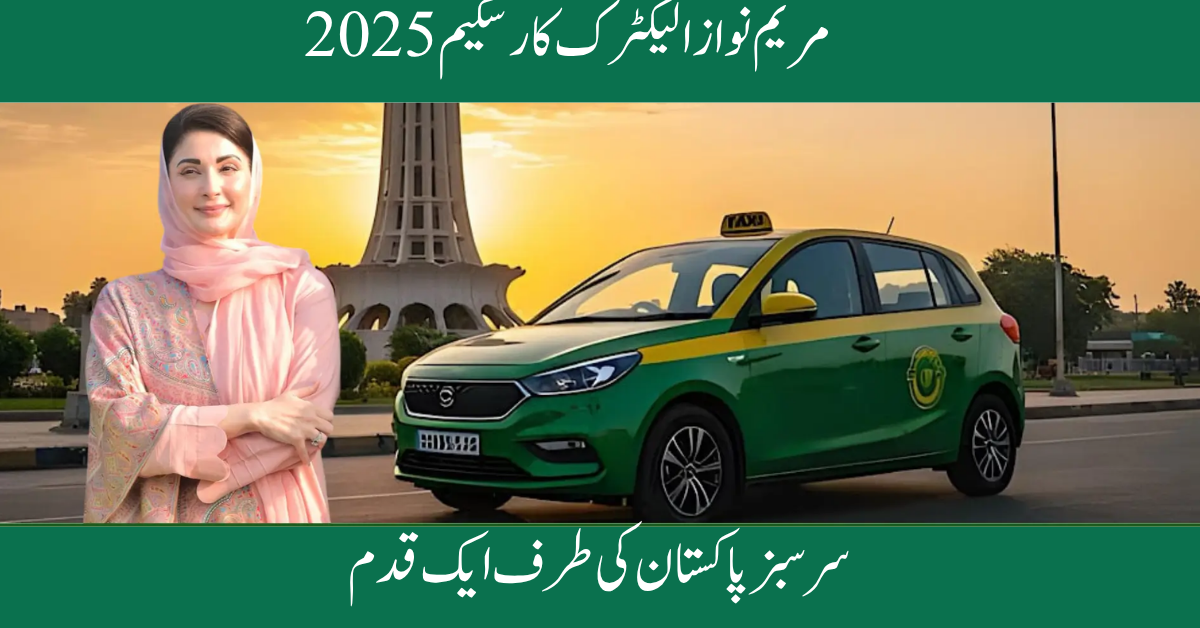
The Maryam Nawaz Electric Car Scheme 2025 has taken Pakistan by storm, promising a cleaner, more sustainable future through the promotion of affordable electric vehicles (EVs). For the first time in the country’s history, a comprehensive plan has been launched to integrate smart transportation, reduce fuel dependency, and provide accessible vehicle financing for middle and lower-income segments.
In this blog post, we’ll take you through the full scope of this initiative – what it means for the automotive industry, how it benefits everyday Pakistanis, and why this could be a turning point for the country’s environmental policy and economic planning.
Why the Maryam Nawaz Electric Car Scheme Matters
With rising fuel prices, environmental issues, and increasing urban congestion, transitioning towards electric mobility has become a necessity rather than a choice. Launched in March 2025 under the Punjab government, Maryam Nawaz’s EV policy aims to:
- Reduce dependence on imported oil
- Lower vehicular emissions
- Provide affordable transport solutions
- Support local EV manufacturing
- Create green jobs and develop technical skills
Fast Facts at a Glance
| Feature | Details |
| Launch Date | March 2025 |
| Initiated By | CM Maryam Nawaz, Government of Punjab |
| Target Group | Middle and lower-income households, students, small businesses |
| Vehicle Types | Electric cars, e-bikes, mini-EVs |
| Financing Support | Low-interest loans, installment plans, government subsidies |
| Additional Incentives | Free registration, reduced tax, charging station expansion |
Breaking Down the Maryam Nawaz Electric Car Scheme
1. Affordable Electric Vehicles for the Masses
At the heart of the scheme is affordability. The government has partnered with local and international EV companies to offer small-to-midrange electric cars at subsidized rates.
Eligible Vehicle Categories:
- Compact EVs for city driving (e.g., EV hatchbacks)
- Two- and three-wheel electric vehicles (e-bikes & rickshaws)
- Small electric delivery vans for SMEs
The average cost of these vehicles, post-subsidy, is expected to be between PKR 1.2 million – 2.5 million, significantly lower than market alternatives.
Example: A student can buy an EV scooter under the scheme starting at just PKR 120,000 — and pay it back in monthly installments over 3-5 years at minimal interest rates.
Green Auto Financing Partnerships
In a groundbreaking public-private partnership, banks and microfinance institutions are working closely with provincial authorities to launch special green auto loans.
Features of Green Auto Loans:
- Interest rates as low as 5-6% annually
- No collateral required for loans under PKR 500,000
- Approval within 10 business days
- Special student and women entrepreneur categories
Banks involved in the scheme include:
- Punjab Bank
- Meezan Bank
- UBL
- Akhuwat Microfinance
Government Subsidies and Tax Incentives
To support consumers and manufacturers alike, the government is providing :
✅ Sales tax exemption (up to 100%) on local EV production
✅ Zero registration fees for buyers in the first year
✅ Import duty concessions on EV auto parts and batteries
These incentives aim to boost demand and localize EV assembly plants to reduce dependency on imported cars.
Infrastructure Development: Charging Ahead
No EV scheme is complete without adequate charging infrastructure. Punjab plans to install 1,000+ smart charging stations across cities and highways by 2026.
Charging Station Features:
- Fast-charging (0-80% in 30 minutes)
- Solar-powered stations in rural areas
- Charging hubs in universities and government buildings
Bonus: Private real estate developers will get tax rebates if they integrate EV charging into residential and commercial projects.
Local Manufacturing and Job Creation
The Maryam Nawaz Electric Car Scheme also aligns with the “Make in Pakistan” agenda, encouraging job creation in engineering and manufacturing sectors.
Skills & Training Initiatives:
- Technical training centers for EV mechanics
- Certification programs in battery tech & software diagnostics
- Women-only training programs as part of gender inclusivity goals
Already, companies like Sazgar, Jolta Electric, and MG Pakistan are collaborating to enhance local EV production, with plans to export regionally by 2027.
Economic and Environmental Impact
Economic Benefits:
- Save up to $2 billion in fuel import bills annually
- Boost to local EV startups and service providers
- New investment opportunities (solar, tech, hardware)
Environmental Impact:
- Up to 60% lower carbon footprint in urban areas
- Reduction in noise pollution
- Better air quality in metros like Lahore and Rawalpindi
Comparison with Previous Initiatives
| Feature | Maryam Nawaz EV Scheme 2025 | Previous Schemes (2019-2022) |
| Level of Subsidy | High (up to 40%) | Low (10–15%) |
| Public Access | Inclusive & widespread | Limited to elite groups |
| Infrastructure Plan | 5-year charging expansion | Minimal deployment |
| Support for Women & Students | Yes | Rarely targeted |
| Local Manufacturing | Strong incentives | Weak policy framework |
Challenges and Criticisms
While the response has been largely positive, a few challenges remain:
- High upfront cost despite subsidies
- Limited battery range of small EVs (80–120 km per charge)
- Rural areas may lag in adoption due to infrastructure delays
- Concerns on battery recycling policies
However, the government insists that these concerns are being addressed through ongoing consultations, pilot testing, and phased rollouts.
Who is Eligible for the Maryam Nawaz Electric Car Scheme?
Citizenship: Must be a Pakistani national with a valid CNIC
Income Bracket: Monthly income under PKR 150,000 qualifies for special subsidies
Bankability: No history of loan default
Priority Segments: Women entrepreneurs, students, disabled citizens, ride-hailing drivers
How to Apply for the Maryam Nawaz Electric Car Scheme
Step-by-Step Application Process
- Visit the official scheme website: evscheme.punjab.gov.pk
- Fill out the application form with CNIC and income details
- Choose vehicle type and preferred bank financing option
- Upload required documents
- Wait for confirmation (within 7–10 working days)
- Vehicle delivery scheduled post-approval
For manual applications, citizens can also visit Punjab Rozgar Scheme centers across the province.
Frequently Asked Questions (FAQs)
What is the Maryam Nawaz Electric Car Scheme?
It’s a government initiative launched in 2025 by Punjab CM Maryam Nawaz Sharif to promote electric vehicle adoption through subsidies, tax relief, and financing support.
Who can apply?
Any Pakistani citizen, especially students, women, and low-income earners are encouraged to apply under subsidized packages.
What vehicle options are available?
Small EV hatchbacks, electric rickshaws, electric bikes, and small delivery vans are part of the scheme.
Is there a website for online applications?
Yes, official applications can be submitted via evscheme.punjab.gov.pk.
Are charging stations available?
Yes, over 1,000 EV charging stations are under development, with a major focus on urban and peri-urban areas.
Internal Linking Suggestions
- Punjab Green Development Program
- Rozgar Scheme Details
- [Jolta Electric Vehicles Review in Pakistan]
- [How Pakistan is Transitioning to Renewable Energy]
- [Top Benefits of Driving an Electric Vehicle in 2025]
Final Thoughts: A Turning Point in Pakistan’s Auto Sector
The Maryam Nawaz Electric Car Scheme is not just a transport policy – it’s a vision for an eco-conscious, modern Pakistan. With strategic planning, inclusive financing, and strong incentives, the foundation for a cleaner and smarter automotive future is finally being laid.
Pakistani consumers, EV startups, and environmental advocates all stand to benefit. While the road ahead may have bumps, there’s no doubt the gears of innovation are in motion.
🌟 Now is the best time to go electric. Are you ready to take the first step toward a cleaner commute?
Ready to Apply?
Visit evscheme.punjab.gov.pk today to explore vehicle options, financing plans, and submit your application — before subsidies run out!