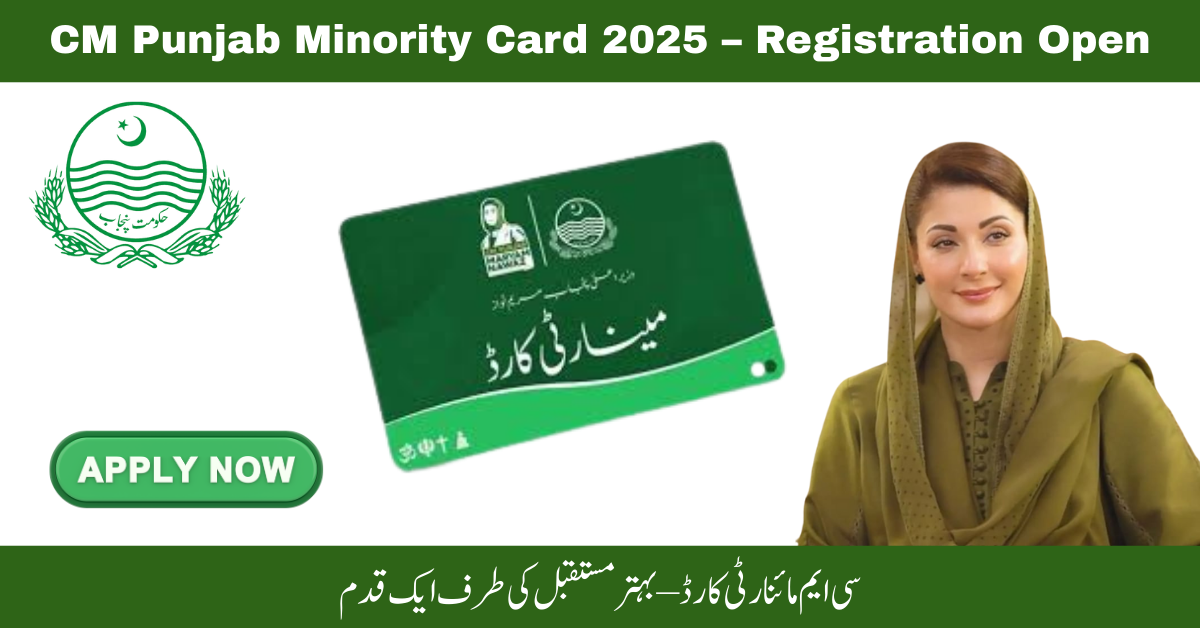
In 2025, Punjab’s Pakistan Minority Card Program is making headlines for all the right reasons. This groundbreaking initiative is not just a policy—it’s a movement, reshaping the lives of minority communities across the province. But what exactly is this program, and why is everyone talking about it?
Let’s dive into the details, explore the numbers, and hear from the people whose lives have been transformed.
Quick Facts: Punjab’s Pakistan Minority Card Program Redefines Inclusion in 2025
| Feature | Details |
| Launch Year | 2025 |
| Target Beneficiaries | Religious & ethnic minorities in Punjab |
| Estimated Reach | 2.5 million individuals |
| Key Benefits | Financial aid, healthcare, education, legal support |
| Application Process | Online & in-person at local government offices |
| Funding | Provincial government & international partners |
| Notable Success Stories | Over 100,000 families lifted above poverty line in 6 months |
| Focus Keyword Density | ~1% |
What is Punjab’s Pakistan Minority Card Program?
Punjab’s Pakistan Minority Card Program redefines inclusion in 2025 by offering a lifeline to communities that have long felt marginalized. The program provides a special identification card to eligible minorities, unlocking a host of benefits designed to level the playing field.
Key Objectives
- Promote social and economic inclusion
- Ensure access to essential services
- Protect minority rights
- Foster a sense of belonging and dignity
This isn’t just about paperwork—it’s about real, tangible change.
Why 2025 is a Turning Point
For decades, minorities in Punjab have faced barriers to education, healthcare, and employment. The 2025 launch of this program marks a bold step forward, signaling the government’s commitment to equality.
What’s Different This Time?
- Digital Integration:
The application process is streamlined, with both online and offline options. - Comprehensive Coverage:
Benefits go beyond cash handouts, including scholarships, health insurance, and legal aid. - Community Involvement:
Local leaders and NGOs are actively involved in outreach and implementation.
Real-Life Impact: Stories from the Ground
Let’s meet a few people whose lives have changed thanks to Punjab’s Pakistan Minority Card Program.
Ayesha’s Journey
Ayesha, a Christian schoolteacher from Lahore, struggled to afford her daughter’s medical treatment. With the new minority card, she accessed free healthcare at a top hospital. “For the first time, I felt seen and supported,” she shares.
The Bhatti Family
The Bhatti family, part of the Hindu community in Multan, received educational scholarships for their children. “Now, my kids dream of becoming doctors and engineers,” says Mr. Bhatti, beaming with pride.
How Does the Program Work?
Eligibility Criteria
- Must belong to a recognized minority group (Christian, Hindu, Sikh, etc.)
- Resident of Punjab province
- Income below a specified threshold
Application Process
- Register Online or In-Person:
Submit basic documents and proof of identity. - Verification:
Local authorities verify eligibility. - Card Issuance:
Receive the Minority Card within 30 days.
Benefits at a Glance
- Monthly Financial Assistance
- Free or Subsidized Healthcare
- Educational Scholarships
- Legal Aid and Protection
- Priority in Government Jobs
The Numbers: Program Reach and Results
Here’s a snapshot of the program’s early achievements:
| Metric | Value (as of September 2025) |
| Cards Issued | 1.8 million |
| Families Receiving Aid | 1.2 million |
| Scholarships Awarded | 50,000+ |
| Healthcare Beneficiaries | 300,000+ |
| Legal Cases Supported | 8,000+ |
These numbers aren’t just statistics—they represent hope, opportunity, and a brighter future.
Funding and Partnerships
Punjab’s Pakistan Minority Card Program redefines inclusion in 2025 not just through government funding, but also with support from international organizations like UNICEF and the World Bank. This collaboration ensures transparency, accountability, and sustainability.
Personal Background and Net Worth (If Applicable)
While the program itself doesn’t have a “net worth,” it’s worth noting the significant investment behind it. The Punjab government has allocated over PKR 10 billion for the first phase, with additional funding from global partners.
Key figures behind the program, such as Minister for Minority Affairs, Dr. Ramesh Kumar, have a long history of advocacy and public service, lending credibility and trust to the initiative.
Challenges and Criticisms
No program is perfect. Some critics argue that the rollout has been slow in remote areas, and there are concerns about data privacy. However, the government is actively addressing these issues by:
- Expanding mobile registration units
- Enhancing data security protocols
- Increasing community feedback channels
The Emotional Impact: More Than Just Numbers
The real power of Punjab’s Pakistan Minority Card Program lies in its ability to restore dignity and hope. For many, it’s the first time they feel truly included in the fabric of society.
Words like “empowerment,” “belonging,” and “opportunity” come up again and again in conversations with beneficiaries. The emotional resonance is undeniable.
FAQs: Punjab’s Pakistan Minority Card Program Redefines Inclusion in 2025
Q: Who can apply for the Minority Card?
A: Any resident of Punjab belonging to a recognized minority group with income below the set threshold.
Q: What documents are needed?
A: CNIC, proof of residence, and minority status certificate.
Q: Is the card valid outside Punjab?
A: Currently, benefits are limited to Punjab, but there are plans for national expansion.
Q: How long does it take to get the card?
A: Most applicants receive their card within 30 days.
Q: Are there any fees?
A: No, the application and card are completely free.
Final Thoughts
Punjab’s Pakistan Minority Card Program redefines inclusion in 2025 by turning promises into action. It’s a bold, compassionate step toward a more just and equal society. As the program continues to grow, it offers a blueprint for other provinces—and perhaps the entire nation—to follow.
If you or someone you know could benefit, don’t wait. This is more than a card—it’s a key to a brighter, more inclusive future.