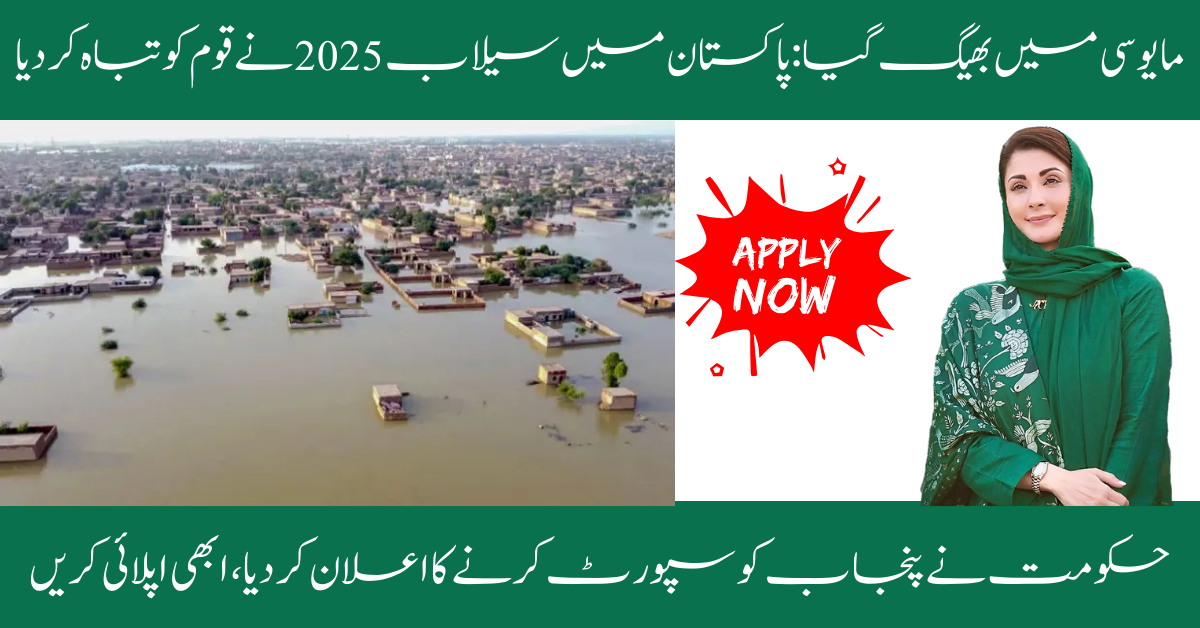
The summer monsoon season of 2025 turned into a nightmare for millions in Pakistan. What began as seasonal rains swiftly transformed into widespread destruction, with entire villages engulfed, roads ripped apart, and lives lost in the floodwaters.
This natural disaster isn’t just another chapter in Pakistan’s long struggle with climate calamities—it’s one of the most catastrophic events in the country’s modern history.
Quick Overview: Pakistan Floods 2025 At a Glance
| Category | Detail |
| Event | Pakistan Floods 2025: Catastrophic Monsoon Devastation Continues Across Nation |
| Start Date | July 15, 2025 |
| Worst-Hit Provinces | Punjab, Sindh, Balochistan, Khyber Pakhtunkhwa |
| Total Rainfall (avg.) | 180% above normal nationwide |
| Estimated Death Toll | 1,430 (as of September 10, 2025) |
| Displaced People | Over 3.2 million |
| Economic Damage | Estimated $6.9 billion USD |
| Infrastructure Affected | 12,000+ homes, 5,100 km roads, 150 bridges |
| Relief Funding So Far | $750 million pledged internationally |
A Dangerous Pattern: Monsoons Gone Rogue
It’s Not Just Rain Anymore
Pakistan has seen deadly monsoons before. But 2025 has broken almost every record on the books. From Karachi’s flooded streets to the submerged rice fields in Punjab, rain has come with a vengeance.
Climate analysts warn that these aren’t isolated weather events—they’re part of an accelerating trend driven by climate change. Some regions received more rainfall in two days than the monthly average.
Ground Zero: Stories from the Eye of the Storm
Sindh – A Province Underwater
In interior Sindh, entire districts like Dadu and Larkana have become islands.
- Villages drowned: 400+ villages under 4–6 feet of water
- Livestock loss: Nearly 65,000 cattle perished
- Dams overwhelmed: Sukkur Barrage overflowed for the first time in a decade
“The water just kept rising. We lost our home, our animals—everything,” says 47-year-old Gul Bibi from Khairpur.
Punjab – The Agricultural Heartbreaking
Known as Pakistan’s breadbasket, much of south Punjab has been transformed into a muddy swamp. Infamous cities like Multan and Bahawalpur have been hit hard.
- Crop loss: Up to 40% damage in cotton, wheat, and sugarcane sectors
- Power failures: 1.5 million residents without electricity for days
- Evacuations: Over 600 relief camps set up across the province
Government & Global Response: Too Little, Too Late?
National Response
While military helicopters and NDMA (National Disaster Management Authority) personnel have been airlifting stranded citizens, the overwhelming scale of the damage is stretching resources thin.
Global Aid & Contributions
| Country / Organization | Aid Amount (USD) | Aid Type |
| United Nations | $150 million | Food, medical, shelter |
| USAID (United States) | $200 million | Emergency relief & recovery |
| China | $100 million | Infrastructure rebuilding |
| EU Humanitarian Aid | $50 million | Rescue & medical ops |
| Saudi Arabia | $250 million | Food packets, tents, cash |
Despite these efforts, many believe the response has come “weeks too late.”
Emotional & Economic Aftermath
This disaster isn’t just about broken dams and flooded streets. It’s about broken lives.
Human Suffering on a Massive Scale
- Children are going days without food in remote Balochistan towns.
- Entire families are living on rooftops, surrounded by contaminated water.
- Healthcare collapse is looming, with diarrhea, dengue, and malaria cases surging.
Economic Ripples for a Fragile Economy
Pakistan, already struggling with inflation and IMF loan pressures, now faces:
- $6.9 billion in direct damages
- GDP growth projected to slow by 1.5%
- Exports impacted, especially in textiles and agriculture
Behind the Crisis: Climate Change + Broken Systems
Is This the New Normal?
Experts from the Pakistan Meteorological Department point to rising sea temperatures in the Indian Ocean and La Niña patterns fueling hyper-monsoon conditions.
“We can’t act surprised anymore. The climate is changing—and we’re not prepared.” — Dr. Nadia Ahmed, Climate Researcher
Infrastructure Injustice
- Outdated drainage and canal systems
- Unregulated construction in flood plains
- Slow urban development plans stuck in red tape
How You Can Help
Feeling helpless watching it unfold? Here are real ways to support victims of the Pakistan Floods 2025: Catastrophic Monsoon Devastation Continues Across Nation:
- Donate to trusted organizations: Edhi Foundation, Akhuwat, UNHCR
- Raise local awareness through social media or fundraisers
- Support NGOs working on long-term flood defenses
Personal Background or Net Worth (If Applicable)
Note: Since this article spotlights a natural disaster and not a specific person, there is no individual net worth or background relevant here. However, high-profile figures like PM Shehbaz Sharif and Humanitarian Celebrities like Malala Yousafzai have spoken up and pledged support.
FAQs: Pakistan Floods 2025 Ravage the Nation
Why is Pakistan experiencing such severe flooding in 2025?
Unpredictable monsoon patterns intensified by climate change have resulted in record-breaking rainfall. Poor infrastructure and lack of early warning systems worsen the situation.
How many people have died in the 2025 floods?
As of September 10, over 1,430 lives have been confirmed lost, although this number is expected to rise.
What areas are the worst affected?
Sindh, southern Punjab, Balochistan, and parts of Khyber Pakhtunkhwa are among the worst-hit.
How can international communities help?
Donating to relief efforts, raising awareness, and pressuring governments to support climate resilience programs are essential.
Are these floods worse than those in 2010 or 2022?
Yes. In terms of total economic loss and geographic span, the Pakistan Floods 2025: Catastrophic Monsoon Devastation Continues Across Nation have surpassed previous disasters.
Final Thoughts
The Pakistan Floods 2025: Catastrophic Monsoon Devastation Continues Across Nation are more than just a meteorological event—they’re a humanitarian emergency, an economic crisis, and a wake-up call to a world dragging its feet on climate action.
We can’t stop the rain, but we can choose how we respond—with compassion, urgency, and a collective will to build back better.